The Hidden Cost of Food and Beverage Adulteration: Health Risks, Economic Losses, and Consumer Protection
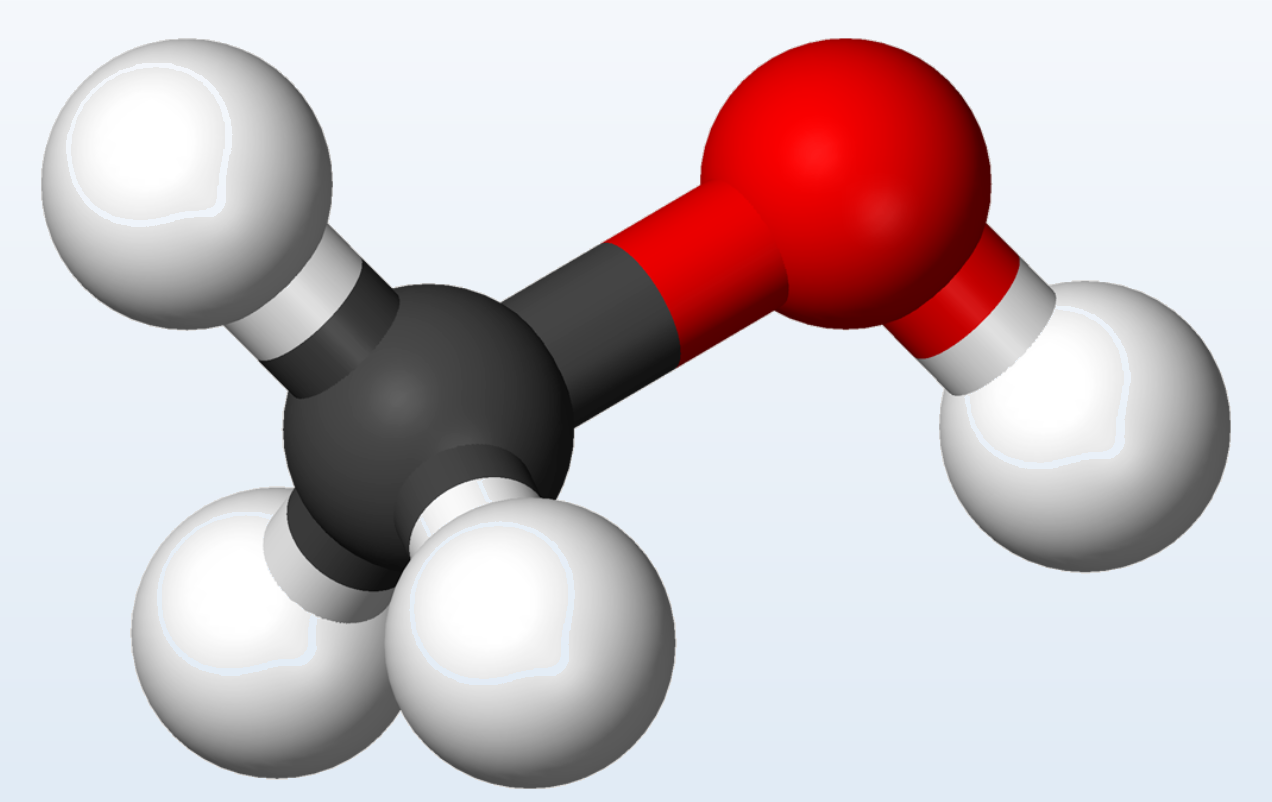
The Hidden Cost of Food and Beverage Adulteration: Health Risks, Economic Losses, and Consumer Protection Rwanda is facing a serious public-health concern linked to illicit and adulterated alcoholic beverages. According to Rwanda's Ministry of Health, people have died and had negative effects after consuming illicit alcoholic drinks, such as blindness, organ damage, severe illness, and death. Authorities have linked some cases to toxic substances, including methanol, used in the production of unsafe alcoholic beverages. Food and beverage adulteration occurs when products are altered through substitution, dilution, or the addition of undeclared or unsuitable substances, compromising their quality, safety, authenticity, or nutritional value. One factor that can contribute to adulteration is the desire of some food and beverage processors to increase profit margins by reducing production costs through cheaper or lower-quality materials. Although controlling production costs is a legitimate business objective, compromising product safety or quality for profit can expose consumers to harmful substances, illness, adverse reactions, reduced nutritional value, and other health risks. This is particularly concerning for alcoholic beverages, where consumers may not be able to determine whether a product contains dangerous contaminants simply by looking at it. The consequences extend beyond health to economic losses and loss of consumer trust. Consumers may pay for a genuine, high-quality product but receive something of lower value, while health complications can create additional financial burdens for individuals, families, and the healthcare system. Adulteration can also damage the reputation of responsible processors and weaken confidence in the wider food and beverage industry. Protecting consumers requires shared responsibility across the entire value chain. Food and beverage processors should use safe raw materials, maintain proper quality-control systems, ensure hygienic production, and comply with applicable food-safety requirements. Suppliers and retailers should support traceability and responsible sourcing, while regulators should strengthen inspection, laboratory testing, market surveillance, and enforcement. Consumers should purchase products from trusted sources, check labels and packaging, and report suspicious products to the appropriate authorities. The pursuit of profit should never come at the expense of consumer safety. Businesses can reduce costs through efficiency, innovation, improved technology, waste reduction, and improved supply chain management without compromising the quality and safety of what people eat and drink. A stronger food and beverage industry must therefore be built on quality, safety, transparency, accountability, and consumer trust.
Enjoyed this article?
Share it with your network and help spread eco-friendly farming insights.